
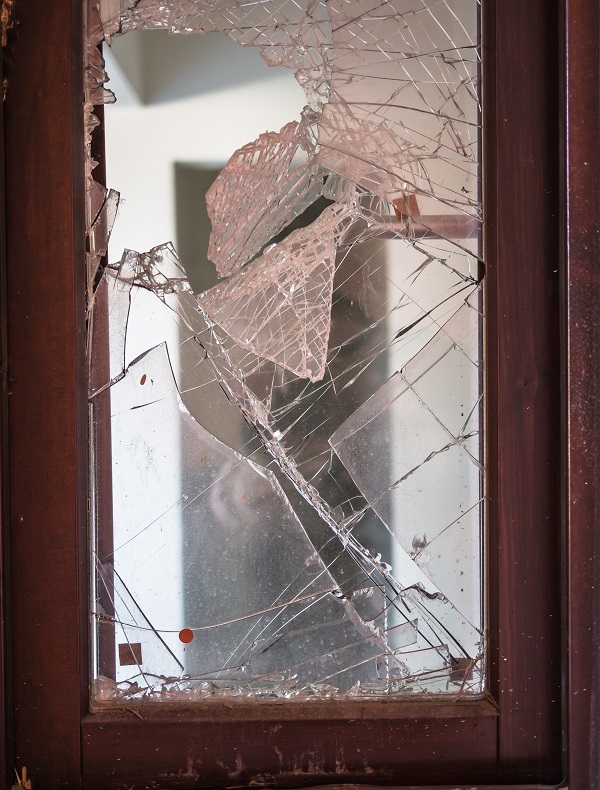
A broken window creates two problems at once. Sharp fragments spread across floors and furniture, and the open or weakened frame leaves the building exposed. How the clean-up is handled in the first hour makes a real difference to safety. According to SOS Glass Services, a Rockdale glazing company, the priority after any breakage is to remove the hazard of broken glass and keep the property secure until replacement glass can be installed. The steps below follow that order, starting with protection and ending with disposal.
Clear the Area and Record the Damage
Before touching anything, move people and pets out of the room and close off access. In a shop or office, block the area with chairs or signage so staff and visitors do not walk through it. If the breakage may lead to an insurance claim, photograph the window, the frame, and any glass on the floor before anything is moved. Note what caused the damage, such as a ball, a fallen branch, or a tool.
Put On the Right Protection
Glass fragments can cut through thin soles and fabric gloves. Wear closed shoes with thick soles, long sleeves, long pants, and heavy work or leather gloves. Safety glasses protect against splinters flicking up while you sweep or lift larger pieces. Keep a first aid kit nearby, and treat any cut immediately rather than pushing through it.
Remove Large Pieces First
Wearing gloves, pick up the largest shards by hand and place them directly into a sturdy cardboard box or rigid plastic container. Avoid plastic bags, which tear easily and can injure anyone who handles them later. Lift pieces by their edges rather than gripping the flat surface.
The type of glass affects what you will find. Ordinary annealed glass breaks into long, sharp shards. Toughened glass shatters into many small, blunt pieces that can travel a long way across a room. Laminated glass usually cracks but stays held together by its inner layer, so most of it remains in the frame.
Collect the Fine Fragments
Once the large pieces are gone, sweep the area with a stiff broom and dustpan, working from the edges inward. Follow with a vacuum cleaner using the hose attachment, and empty it carefully afterwards. Tiny slivers often remain on hard floors, so press a damp paper towel or a strip of wide packing tape over the surface to lift them. Check under furniture, along skirting boards and on window sills, as fragments can scatter well beyond where the glass fell. Rugs and soft furnishings may need repeated vacuuming or professional cleaning.
Deal With Glass Still in the Frame
Resist the urge to knock out loose glass left in the window. Pieces can fall unpredictably and cause serious cuts. If cracked glass is still in place, apply strips of masking tape across the cracks to help hold it together. Cover the opening from the inside with heavy plastic sheeting or cardboard taped firmly around the edges to keep out wind, rain, and insects. For large panels, upper-storey windows or laminated glass, leave removal to a qualified glazier.
Dispose of Broken Glass Responsibly
Seal the box with tape and label it clearly as broken glass. Window glass should not go into kerbside recycling bins, because it is made differently from bottles and jars and can contaminate recycled glass. Check your local council’s guidance on disposal, and make sure the box is packed so collection staff can handle it without risk.
Knowing When to Leave It to a Glazier
Some breakages are beyond a safe DIY clean-up, including shattered glass doors, large commercial panels and glass in high or hard-to-reach positions. A glazier can remove the remaining glass, secure the opening, and fit compliant replacement glass.
SOS Glass Services Pty Ltd
34 Verdun Street
Bexley
NSW
2207
Australia


